
Tuning & Repair
Precision. Care. Experience.

Tuning
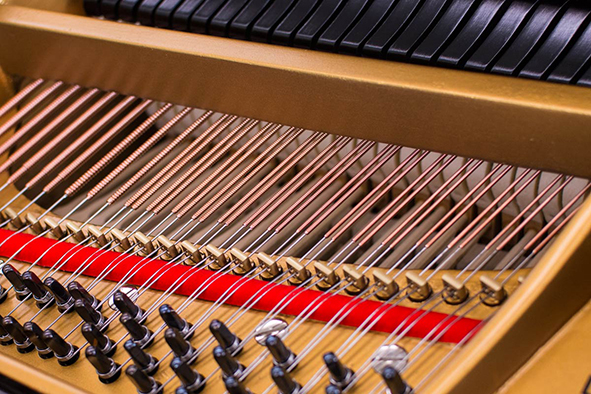
In order to maintain your piano in proper order, it must be regularly serviced by a trained piano tuner-technician.
During the first year it is advisable to have your new piano tuned four times. In the years that follow it should be tuned as often as you feel necessary, but a minimum of twice per year. A concert artist has his or her piano tuned before each performance.
The frequency of tuning depends on the use the piano receives and the conditions peculiar to its location. The piano will stay in tune better if the atmospheric conditions are uniform. Changes from moist to dry air cause the wood to swell and shrink, thus changing the tension on the strings.
Keep the humidity as constant as possible and your piano will need less frequent tuning.
Even if a piano is not played regularly, it should still be tuned periodically. String tension gradually changes over time, and allowing the piano to remain untuned for long periods can make future tuning more difficult and place unnecessary stress on the instrument.
Regular tuning not only keeps your piano sounding beautiful, but also helps preserve its value and extends the life of the instrument.

Repair
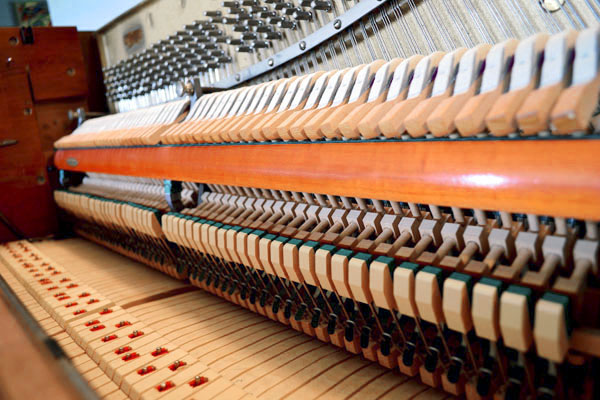
The working mechanism of the modern acoustic piano is made from the same materials as those used in the manufacture of the first pianos more than 300 years ago. The principal components of the action are wood, felt, leather, cloth, and metal.
Even the finest and most carefully built pianos gradually develop wear through years of normal use. Changes in temperature and humidity, along with thousands of keystrokes, affect the precision of the action and the performance of the instrument.
As parts wear, the piano may begin to feel uneven, produce unwanted noises, or lose the responsiveness and control that were originally built into the instrument. Small problems left unattended can eventually lead to more extensive repairs.
Professional repairs restore the piano to proper working condition by replacing worn parts, correcting mechanical problems, and ensuring that every component functions as intended.
Whether your piano requires minor adjustments or more extensive repairs, using the correct materials and techniques will help preserve both its musical performance and its long-term value.
Regular inspection and timely repairs not only improve reliability but also help prevent unnecessary wear on other parts of the action, keeping your instrument performing at its best for many years.

Regulation
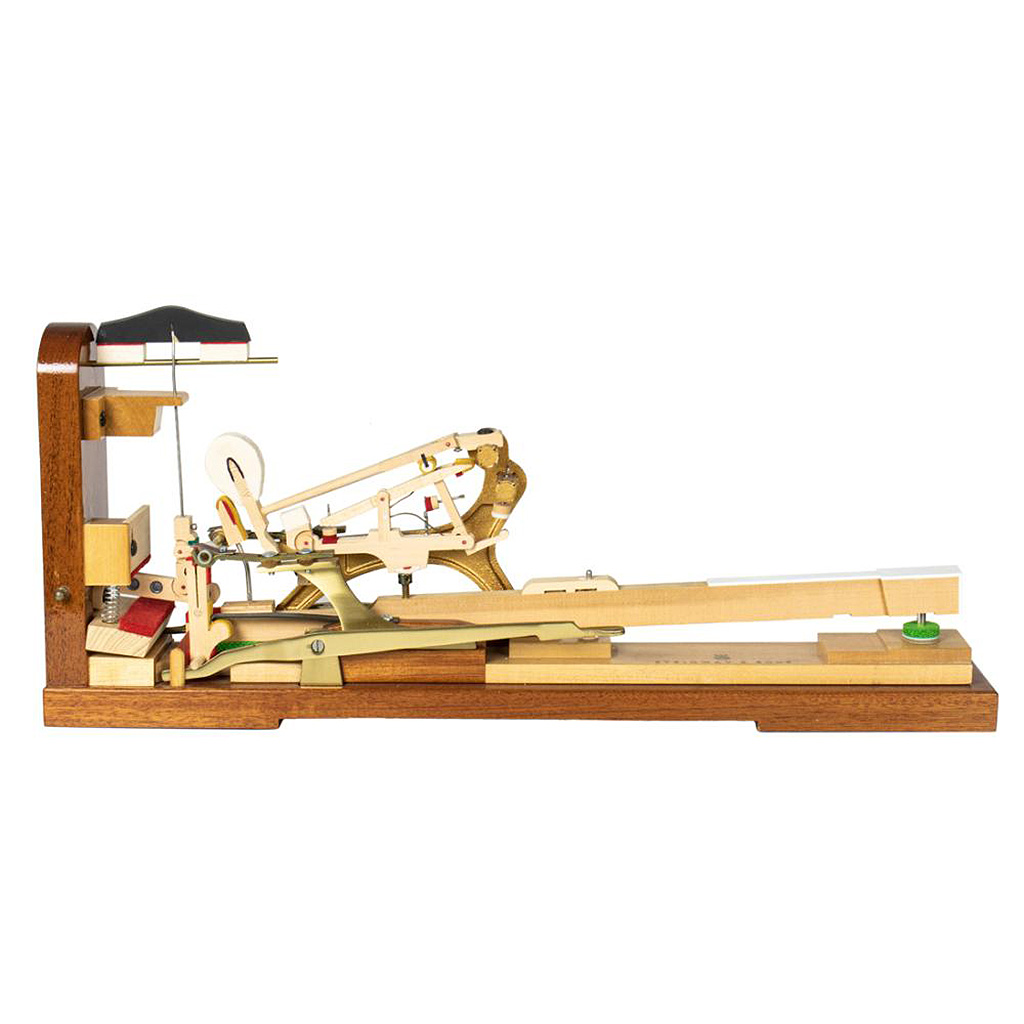
Regulation is the precise adjustment of the piano action so that every key and hammer works together correctly.
Proper regulation improves touch, repetition, control, and responsiveness, allowing the pianist to perform with greater accuracy and expression.
Manufacturers generally recommend that the action be checked and regulated periodically, especially on heavily used instruments.

Voicing
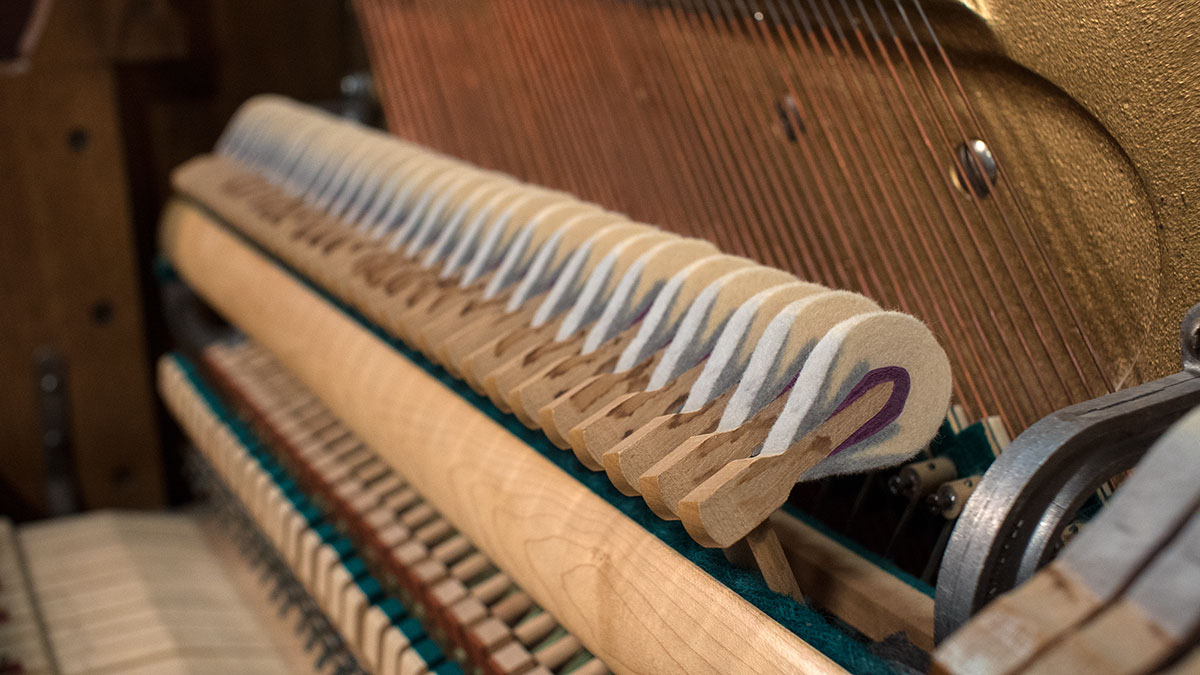
Voicing is the process of shaping the tone of your piano by carefully adjusting the felt hammers.
Whether you prefer a bright, mellow, or rich concert tone, proper voicing allows the instrument to produce a more even, balanced sound across the entire keyboard.
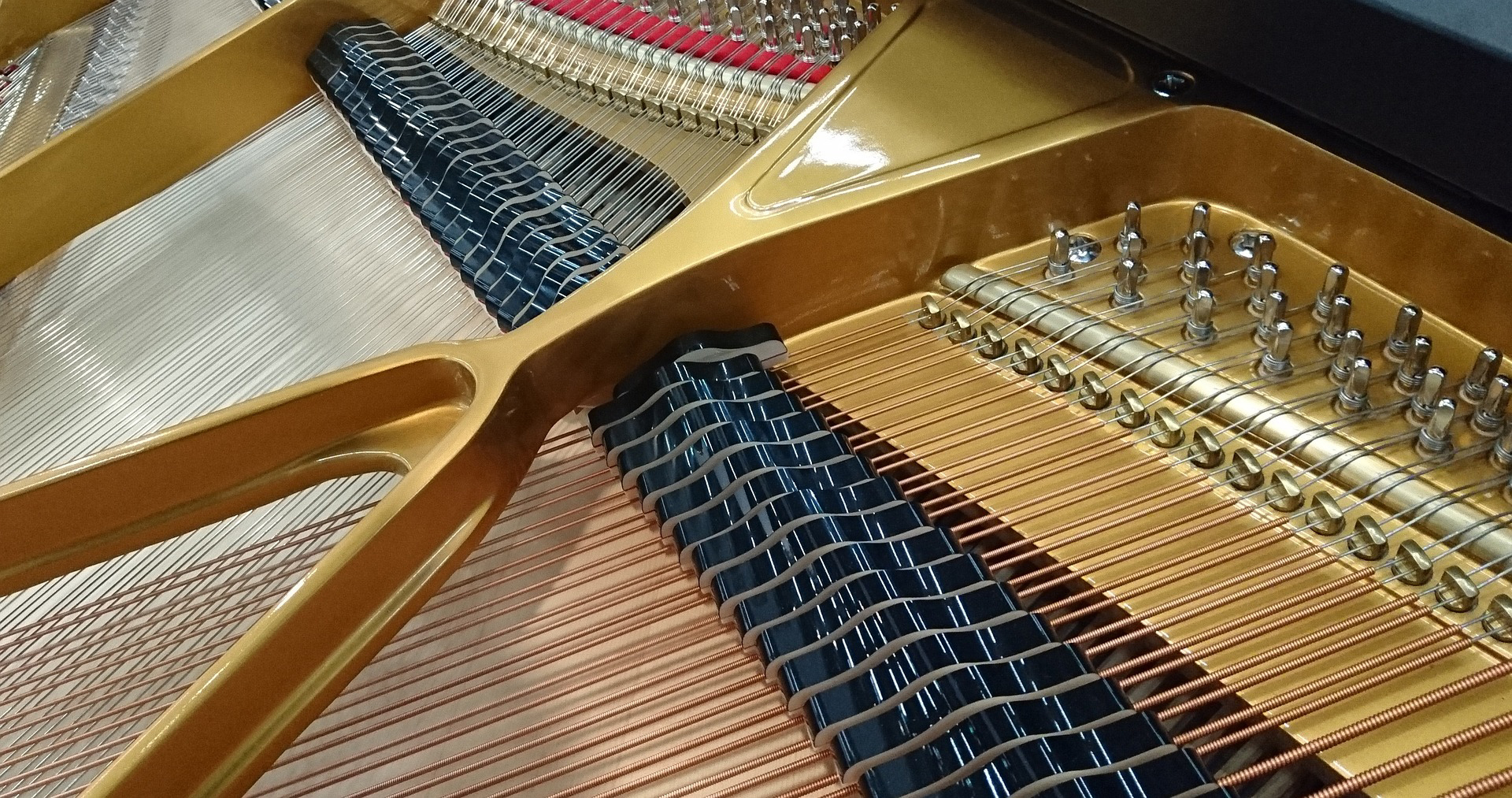

Maintenance
Regular professional maintenance helps prevent expensive repairs and keeps your piano performing at its best for many years.
A well-maintained piano provides better tuning stability, longer component life, and a more enjoyable playing experience.

Experienced
Over 30 years of professional experience.

Quality Service
Precise tuning and reliable repairs you can trust.

Estonia & Finland
On-site service for homes, schools and concert venues.
info@piano-tuner.eu